This article provides general information, not legal advice. IPTV licensing and copyright law involve jurisdiction-specific detail that a qualified South African attorney is better placed to advise on for any specific service or situation.
Few questions get asked more often by prospective IPTV subscribers than is iptv legal in south africa, and few questions get answered more evasively by the industry itself. Most provider websites either avoid the topic entirely or offer a vague, reassuring line without actually explaining the underlying legal distinction. We think South African viewers deserve a straighter answer, even if it's more nuanced than a simple yes or no.
1. The Short Answer
IPTV — Internet Protocol Television — is a delivery technology, not a legal category. Delivering television content over an internet connection is no more inherently illegal than delivering it over satellite or cable. The legality question that actually matters isn't "is IPTV legal" in the abstract; it's "does this specific service have the rights to distribute this specific content." That distinction is the entire answer, and it's the one most provider marketing pages conveniently skip past.
2. IPTV as a Technology Versus IPTV as a Service
It's worth separating these two ideas clearly, because conflating them is where most of the confusion in this market comes from.
IPTV the technology is simply a method of delivering video content over an internet connection rather than through traditional broadcast, cable, or satellite infrastructure. Netflix, Showmax, and DStv's own streaming products all use IPTV-style delivery in the broad technical sense. Nobody seriously questions the legality of the technology itself.
IPTV the service category — the subscription bundles marketed under the "IPTV" label, offering hundreds or thousands of live channels for a monthly fee — is where the real legal question sits, and it depends entirely on whether that specific provider has secured proper distribution rights for the content it's streaming.
3. What Makes a Specific IPTV Service Legal or Not
A given IPTV provider's legal standing comes down to one core question: has the content owner authorised this specific distribution? Content owners — broadcasters, sports rights holders, studios — license their content to specific authorised distributors for specific regions. A provider that has genuinely negotiated and paid for those distribution rights is operating legally, in the same way a licensed cable or satellite operator does. A provider retransmitting SuperSport, DStv, or other broadcasters' signals without that licensing agreement is engaged in unauthorised distribution, regardless of how professional their app or website looks.
The problem for consumers is that this distinction is almost never visible from the outside. Both a fully licensed provider and an unauthorised reseller can present an equally polished app, equally professional marketing, and an equally normal-looking subscription checkout page. There's no visual or technical marker that reliably distinguishes them.
4. The Licensing and Copyright Question, Explained Simply
Broadcast content — a live rugby match, a PSL fixture, a TV series — is protected by copyright, and the right to broadcast or retransmit that content is separately licensed, often on a territory-by-territory basis. A broadcaster like SuperSport pays substantial sums for the exclusive right to broadcast certain sport in South Africa. When an unauthorised IPTV service retransmits that same broadcast feed to South African subscribers without a licensing agreement, it's using content it doesn't have the rights to distribute — this is a copyright infringement question, not a technology question, and it sits with the retransmission, not with the underlying idea of streaming television over the internet.
This is exactly why we'd encourage you to be sceptical of any provider claiming that "IPTV is completely legal" without further explanation — that claim is true of the technology and potentially false of the specific service, and conflating the two is either a misunderstanding or a deliberate glossing-over of the real question.
5. Where South Africa's Legal Framework Stands
South African copyright law protects broadcast content in a manner broadly consistent with international norms, and unauthorised retransmission of licensed broadcast content constitutes infringement under existing copyright legislation. South Africa is also a signatory to relevant international copyright frameworks that extend protection to broadcast signals and content across borders. What this means practically is that the legal exposure for unauthorised IPTV distribution isn't a grey area or a loophole specific to internet delivery — it's a straightforward application of existing copyright principles to a newer distribution method.
Given the complexity and the real consequences involved, if you're building or operating an IPTV business specifically, this is a question worth taking to a South African attorney with relevant copyright and broadcasting experience rather than relying on general online guidance, including this article.
6. What MultiChoice and Rights Holders Are Doing About It
MultiChoice, as South Africa's dominant pay-TV broadcaster and a major sport rights holder, has been active in pursuing unauthorised retransmission of its content, both through direct legal action against distributors and through cooperation with international anti-piracy coalitions. Rights holders more broadly have increasingly used DMCA-style takedown requests and domain-level enforcement against IPTV services distributing unlicensed content, and search engines have shown a growing willingness to demote or deindex sites with a significant volume of takedown requests against them.
This enforcement trend matters for two separate audiences: subscribers, who face the practical risk of a service disappearing abruptly if it's targeted successfully, and any business operating in this space, for whom takedown activity represents a direct commercial and legal risk rather than an abstract concern.
7. Consumer Risk Versus Provider Risk
It's worth being clear-eyed about where legal risk actually sits in practice. Enforcement action in this space has, to date, been overwhelmingly directed at providers and distributors rather than individual subscribers. That said, subscribing to an unauthorised service carries its own real, practical risks even setting aside the underlying legal question: services distributing unlicensed content tend to be less stable and more likely to disappear abruptly, since they're operating outside a proper commercial licensing relationship and are more exposed to sudden takedown or enforcement action. A subscriber left with an unexpectedly dead service and no refund path is a common, entirely foreseeable outcome of choosing based purely on price without checking a provider's underlying legitimacy.
8. Questions Worth Asking Any Provider
Given how opaque this issue can be from a consumer's side, a few direct questions are worth asking before subscribing to any IPTV service:
- "Can you tell me anything about your content licensing arrangements?"
- "How long has your business operated, and under what registered entity?"
- "What happens to my subscription if a specific channel or content source becomes unavailable?"
A provider's willingness — or unwillingness — to engage meaningfully with these questions tells you something, even if you don't get a fully satisfying answer. Evasiveness is itself informative.
9. How to Make an Informed Decision
We're not going to tell you exactly what to do here, because that's genuinely your decision to make with full information rather than ours to make for you. What we'd encourage instead is approaching this the way you would any purchase decision with a legal dimension: understand the actual distinction between the technology and the specific service, recognise that professional presentation doesn't confirm licensing legitimacy, weigh the practical stability risk of an unauthorised service alongside the underlying legal question, and — if you're genuinely uncertain about a specific provider or considering operating one yourself — get a proper opinion from a South African attorney rather than relying on any single article, including this one, as a final answer.
For related buying guidance covering provider vetting more broadly, see our full IPTV South Africa guide, and if you have specific questions about this topic, feel free to reach out to our team directly.
10. Frequently Asked Questions
Is IPTV illegal in South Africa? IPTV as a delivery technology is not illegal. Whether a specific IPTV service is operating legally depends on whether it holds proper distribution rights for the content it streams.
Can I get in trouble for using an IPTV service? Enforcement action to date has focused primarily on distributors rather than individual subscribers, though using an unauthorised service carries practical risks including sudden service disruption.
How can I tell if an IPTV provider is properly licensed? This is genuinely difficult to verify as a consumer. Longevity, transparency about business operations, and willingness to discuss licensing questions directly are reasonable — though imperfect — signals.
Is DStv taking legal action against IPTV providers? MultiChoice and other rights holders have pursued legal and takedown action against unauthorised distributors of their content as part of broader anti-piracy efforts.
Should I consult a lawyer before subscribing to or operating an IPTV service? For personal subscription decisions, this article should give you enough context to make an informed choice. If you're operating or considering operating an IPTV business, professional legal advice is strongly recommended given the real commercial and legal stakes involved.
This article is intended as general information, not legal advice, and reflects our own research and understanding rather than a legal opinion. For specific guidance relevant to your situation, consult a qualified South African attorney. Questions about our own service specifically can be directed to our contact page.
Suggested image: Infographic explaining the difference between IPTV technology and IPTV service licensing, alt text: "is iptv legal in south africa explainer"
Suggested external dofollow links: Companies and Intellectual Property Commission (CIPC) copyright resources, a reputable South African legal information site covering copyright basics
Internal sibling links: Article #3 (IPTV Suppliers vs Resellers), Article #1 (Best IPTV South Africa), Article #6 (What an IPTV Subscription Should Cost)
11. Why This Question Matters More in South Africa Than Elsewhere
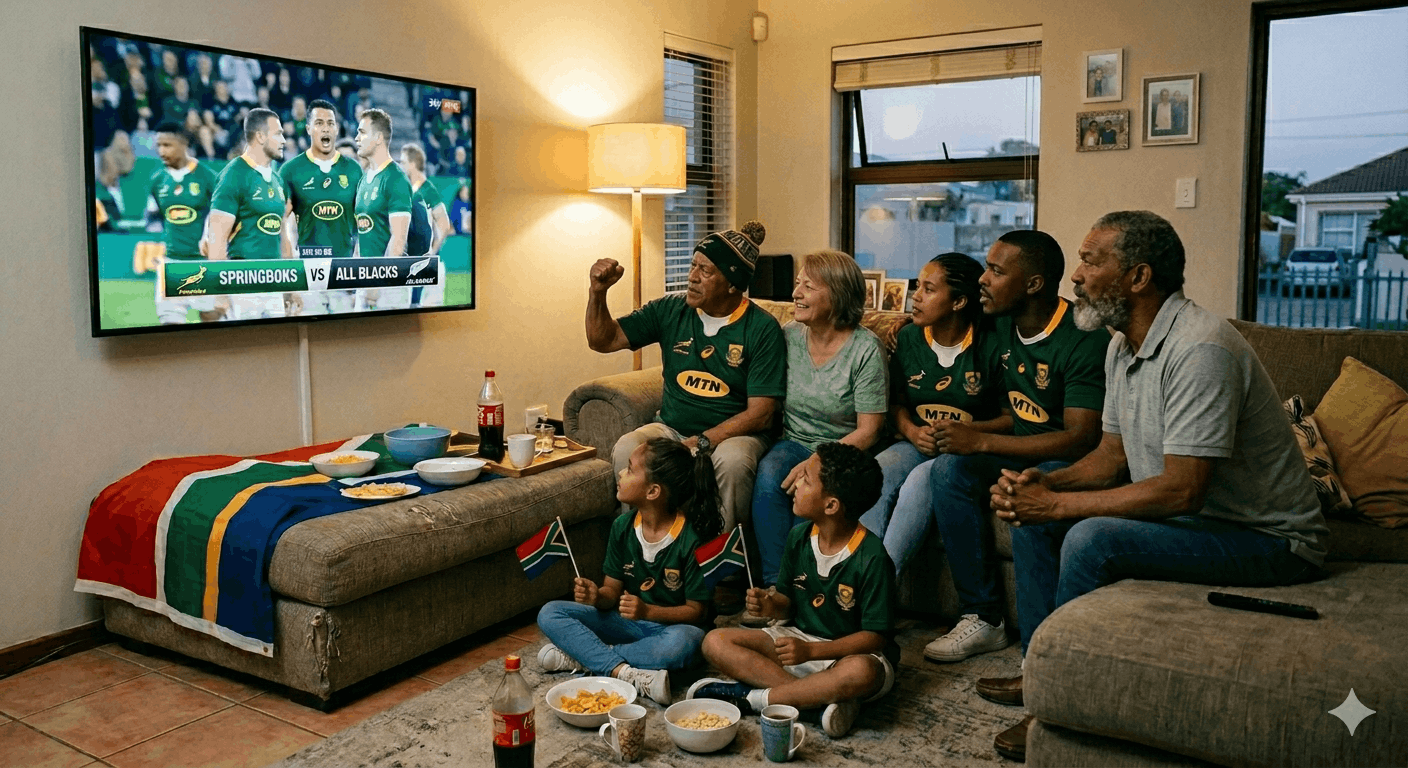
South Africa's IPTV market has a particular structural feature worth understanding: DStv and MultiChoice hold an unusually dominant position in the country's pay-TV landscape, with exclusive rights to a large share of the sport and premium content South African viewers most want. This dominance is precisely what's driven strong consumer demand for cheaper alternatives, and it's also precisely why unauthorised retransmission of MultiChoice's licensed content has become such a common feature of the lower end of the IPTV market — the commercial incentive to offer that content without paying for the licensing rights is significant, given how much South African viewers are willing to pay to access it more cheaply than a full DStv Premium subscription.
Understanding this dynamic helps explain why the is iptv legal in south africa question isn't an abstract or theoretical one for this specific market — it's directly tied to one of the most commercially significant content licensing relationships in South African broadcasting, and it's a large part of why rights holders here have been particularly active in pursuing enforcement action compared to markets with more fragmented broadcast rights ownership.
12. How to Think About Grey Areas in This Market
Not every situation in this space is a clean-cut case of clearly authorised versus clearly unauthorised distribution. Some providers operate in genuinely ambiguous territory — licensing some content properly while sourcing other channels through arrangements that are harder to verify from the outside. This is part of why we've avoided naming specific providers as definitively "legal" or "illegal" throughout this guide: without direct access to a provider's actual licensing agreements, which are rarely public, it's genuinely difficult for an outside party, including us, to make that determination with full confidence for any specific service.
What we can say with confidence is the framework itself: understand that the technology is not the legal question, that professional presentation doesn't confirm licensing, and that the practical risk profile of an unauthorised service — instability, sudden disappearance, limited recourse — is real regardless of the underlying legal analysis. That framework is genuinely useful even in the grey-area cases where a definitive yes-or-no answer isn't available to a consumer.
13. The Business Perspective: Why We're Writing About This Honestly
As an IPTV business ourselves, we recognise this is a topic where it would be commercially easier to either avoid the subject entirely or offer the kind of vague, reassuring non-answer that's common across this industry. We've chosen not to do that, for a fairly simple reason: readers researching is iptv legal in south africa are asking a genuine, important question, and answering it honestly — including the uncomfortable parts of the answer — is more valuable to a prospective subscriber than another page of marketing copy dressed up as legal reassurance. We'd rather earn trust through a straight answer than lose it through an evasive one.
This is also why we've been explicit throughout this piece that it isn't legal advice, and why we've recommended a proper attorney consultation for anyone whose situation genuinely turns on a precise legal determination — a general blog article, however carefully researched, isn't a substitute for advice tailored to a specific situation and a specific provider's actual licensing arrangements.
14. What Responsible Sourcing Looks Like From a Provider's Side
For readers curious what a genuinely well-licensed IPTV operation looks like from the inside, it typically involves direct commercial agreements with content owners or their authorised distribution partners, transparent content sourcing that a provider is willing to discuss in general terms even if specific commercial terms remain confidential, and a business structure stable enough to withstand the kind of scrutiny that comes with operating openly in a market where rights holders are actively monitoring for infringement. This is a meaningfully higher bar than simply having a professional-looking app and a working payment gateway, and it's the bar we'd encourage you to keep in mind — not as a guarantee you can verify perfectly as a consumer, but as the standard worth asking about directly when you're evaluating any provider.
15. Final Thoughts
The honest answer to is iptv legal in south africa is that it depends entirely on the specific service, not on the underlying technology, and that distinction gets lost far too often in how this industry markets itself. South African copyright law treats unauthorised broadcast retransmission the way most developed legal systems do — as infringement, regardless of whether the distribution happens over satellite, cable, or the internet — and rights holders here have shown a clear willingness to pursue enforcement action. As a consumer, the most useful thing you can do is approach provider selection with this framework in mind, ask direct questions where you can, and weigh both the legal and the practical stability risks of any service you're considering before committing your money to it.
16. A Closer Look at International Comparisons
South Africa isn't unique in facing this exact tension between consumer demand for affordable streaming access and rights holders protecting exclusive content licensing arrangements — similar dynamics have played out in the UK, Australia, and across much of Europe as IPTV services proliferated internationally over the past decade. In several of these markets, regulators and courts have taken increasingly firm positions against unauthorised retransmission services, including site-blocking orders targeting IPTV distributors found to be operating without proper licensing, and enforcement actions against operators found to be knowingly profiting from unlicensed broadcast retransmission.
The pattern across these markets is broadly consistent: enforcement focuses primarily on distributors and operators rather than individual subscribers, legal frameworks generally treat unauthorised retransmission as a straightforward copyright question rather than carving out a special exception for internet-based delivery, and the practical instability of unauthorised services tends to increase over time as enforcement activity intensifies. South Africa's trajectory has followed a broadly similar path, and there's little reason to expect this dynamic to reverse given the clear commercial incentives rights holders have to continue pursuing enforcement.
17. What This Means for the Future of the South African IPTV Market
It's reasonable to expect the South African IPTV market to continue evolving in the direction seen in comparable international markets — increased enforcement pressure on unauthorised distributors, growing differentiation between properly licensed services and unlicensed ones, and likely continued consolidation as smaller, less stable operators face greater difficulty sustaining operations under sustained enforcement pressure. For consumers, this reinforces the practical case for prioritising provider stability and transparency now, rather than assuming today's pricing and availability landscape will remain static indefinitely.
This is also part of why we've structured our own business the way we have, and why we think it's worth South African viewers understanding this landscape clearly rather than treating IPTV legality as a settled, uncomplicated question. The market is genuinely still developing, and viewers who understand the underlying dynamics are better positioned to make subscription choices that hold up over time rather than choices based purely on whichever provider currently offers the lowest advertised price.
18. Practical Takeaways for Different Types of Readers
Different readers arrive at this article with different goals, and it's worth addressing each directly.
If you're a prospective subscriber trying to decide whether to sign up for a specific service, use the questions and framework covered throughout this guide as your evaluation checklist, weigh the practical stability risk alongside the legal question, and recognise that a definitive answer often isn't fully available to you as an outside consumer — informed uncertainty, approached carefully, is a more honest position than false confidence in either direction.
If you're comparing IPTV against traditional pay-TV purely on cost grounds, factor the legitimacy and stability question into that comparison directly rather than treating it as a separate issue — a genuinely licensed IPTV alternative at a meaningfully lower price than DStv Premium is a real, legitimate option worth considering, but it's worth confirming which category a specific provider actually falls into before assuming the savings are risk-free.
If you're researching this topic because you're considering starting an IPTV business yourself, this article should underline clearly why proper legal advice from a South African attorney with relevant experience is essential before proceeding, given the direct commercial and legal exposure involved in operating in this space without the appropriate licensing arrangements in place.
19. Why Transparency Benefits Everyone in This Market
There's a broader point worth making about why honest engagement with this topic ultimately benefits the whole market, not just individual consumers making a single purchase decision. An industry where legitimacy is difficult to verify and providers routinely avoid direct answers about licensing creates a race to the bottom on trust — consumers can't reliably distinguish good actors from bad ones, which paradoxically makes it harder for genuinely well-run, properly licensed providers to differentiate themselves on anything other than price. Greater transparency, even when the honest answer is more complicated than a simple reassurance, ultimately helps the providers who have actually done the work of securing proper licensing arrangements stand out from those who haven't. We'd like to see more of the industry move in this direction, and we think it starts with articles like this one treating readers as capable of understanding genuine nuance rather than needing to be reassured into a purchase decision.
20. Summary
Bringing everything in this guide together: is iptv legal in south africa is not a question with a single one-word answer, and any provider or article claiming otherwise is oversimplifying a genuinely nuanced issue. IPTV as a technology is entirely legal — it's simply a method of delivering content over the internet, no different in principle from any other streaming service you already use. Whether a specific IPTV subscription service is operating legally depends entirely on whether it holds proper licensing rights for the content it distributes, something that's genuinely difficult for a consumer to verify with full confidence from the outside. South African copyright law treats unauthorised broadcast retransmission as infringement, rights holders including MultiChoice have shown consistent willingness to pursue enforcement action, and the practical consequence for consumers is a real, tangible instability risk in addition to the underlying legal question. Approach any IPTV subscription decision — including with us — with this framework in mind, ask direct questions where you can, and treat a provider's transparency and willingness to engage with this topic honestly as a genuine signal of trustworthiness, alongside everything else covered in our broader provider vetting guide.
We'll continue to update this article as South Africa's legal and enforcement landscape around IPTV develops, since this is genuinely a moving target rather than a settled question. If you have a specific concern or question after reading this, we'd rather you raise it directly with our team through our contact page than walk away with an unresolved worry — this is exactly the kind of question we'd rather answer honestly than leave you guessing about.
21. A Final Word on Making Peace With Uncertainty
One thing worth acknowledging honestly: even after reading a thorough breakdown like this one, most consumers will still be left without a fully certain answer about any specific provider's licensing status, because that information simply isn't public in most cases. That's an uncomfortable place to leave a reader, but it's a more honest place than false reassurance in either direction. What you can control is how carefully you evaluate the signals that are available to you — provider transparency, business longevity, willingness to discuss sourcing, and the practical stability track record of a service over time — and how much weight you place on the underlying legal question relative to your own personal risk tolerance and values. Different readers will reasonably land in different places on that final judgment call, and that's a legitimate outcome of engaging with a genuinely nuanced issue rather than a sign that the question hasn't been answered clearly enough.
That's the honest note we'd rather end this guide on than a tidy but misleading one-line reassurance — because a genuinely informed reader, even one left with some remaining uncertainty, is better served than one given false confidence in either direction.
If this guide has changed how you're thinking about a specific provider you've been considering, that's exactly the outcome we were hoping for — an informed decision, made with a clear-eyed understanding of both the legal landscape and the practical risks involved, rather than one made purely on the strength of a provider's marketing copy.
As with every guide on this site, we'll keep revisiting this one as South Africa's legal and enforcement landscape develops, rather than treating a single publication date as the final word on a topic that continues to evolve.
Thank you for taking the time to read a longer, more careful answer than most of this industry is willing to give on this exact topic — we think that care is exactly what a question like is iptv legal in south africa deserves, and we'd rather earn your trust with honesty than with a shortcut.
If a specific provider's licensing status remains a genuine sticking point for you after everything covered here, the single most productive next step is a direct, specific conversation with that provider rather than continued general research — ask them plainly, note how they respond, and factor that response into your final decision alongside everything else in this guide.
And whatever you ultimately decide, make that decision with the full picture in front of you rather than the partial, reassuring version this industry usually offers.
We appreciate you reading this far, and we hope it's given you exactly the clarity a question this important deserves.